

Past Recipients
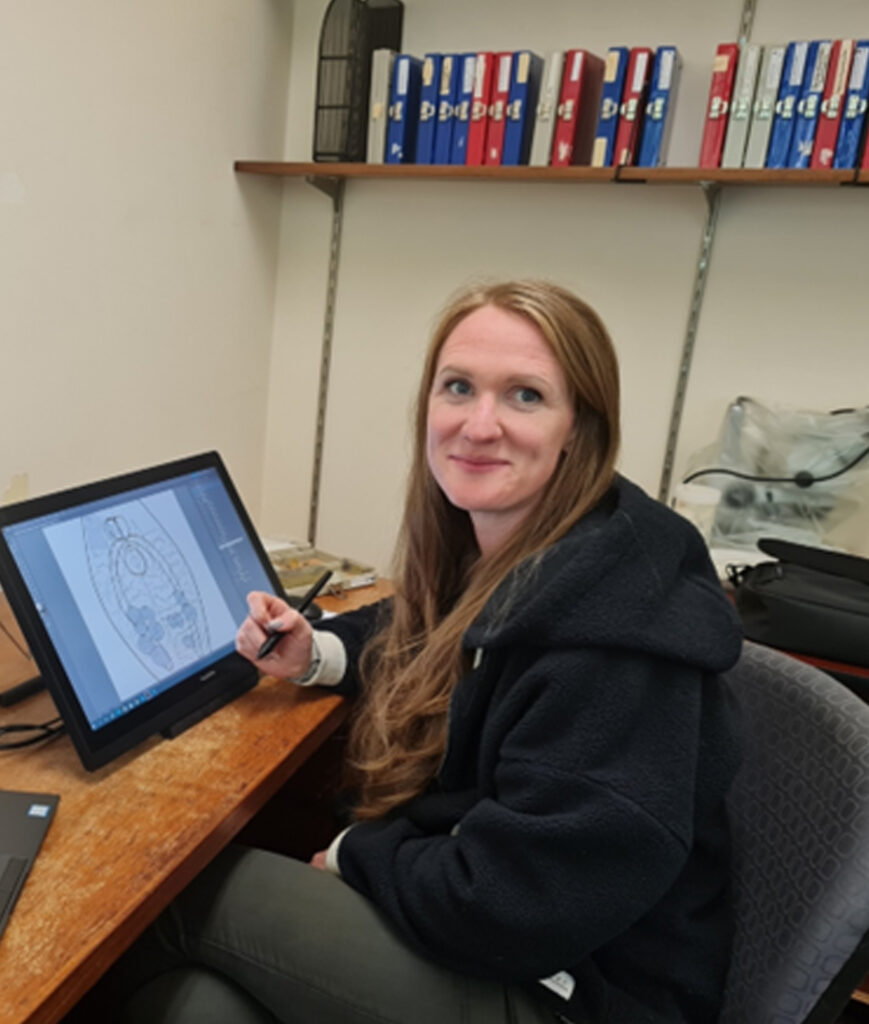
Helen Armstrong (Murdoch)
Taxonomy, Systematics, Biodiversity and Biogeography of the Cryptogonimidae (Platyhelminthes: Trematoda) in Australian Marine Fishes.
As an avid diver Helens interest in the marine environment led her to a PhD position in Marine Parasitology. Her PhD focusses on taxonomy, systematics, and biogeography of the Cryptogonimidae, a family of trematode flatworms.
Her field work extends through the Indian Ocean region and aims to resolve questions of crytogonimid distribution in the region. Using molecular testing combined with morphological information she is able to describe new species and clarify systematic inconsistencies within the family.
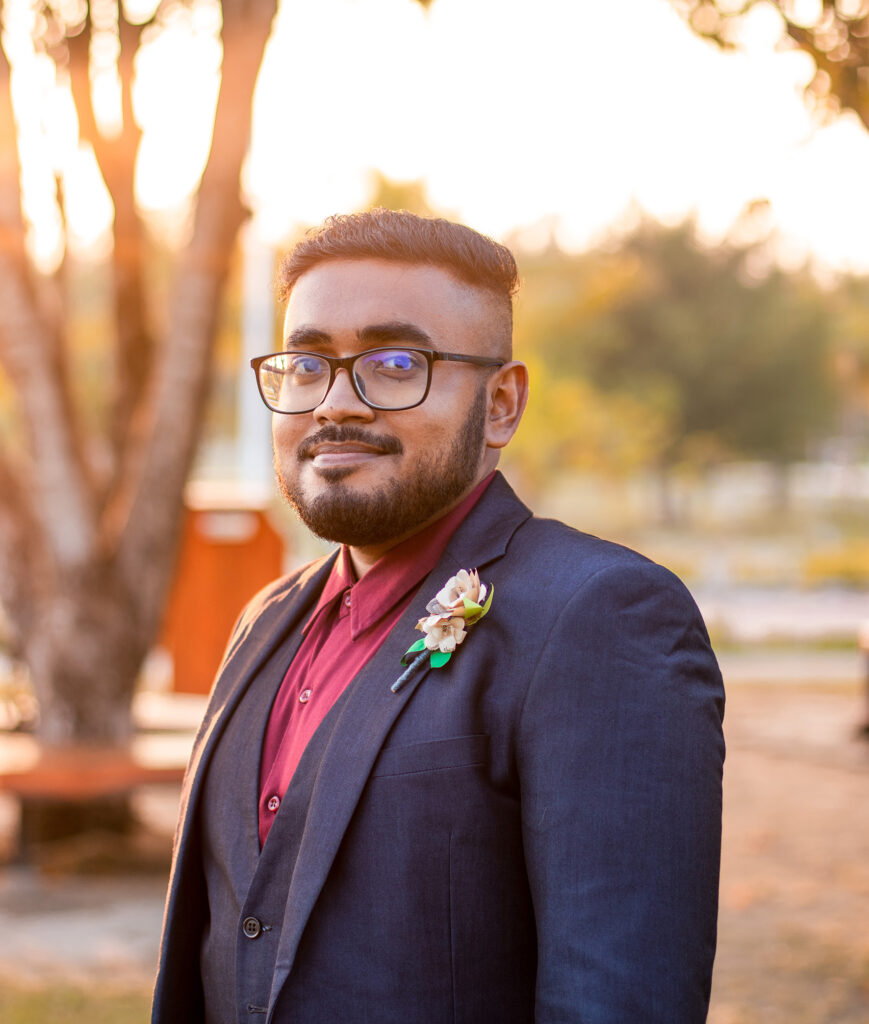
Abdulla Alson Athif (UWA)
Radioactive Legacy from Nuclear Weapons Testing at the Montebello Islands, Western Australia.
Alson Athif is a Coastal Engineer and second-year PhD candidate at the University of Western Australia. He has a B.Eng degree in Civil Engineering from UNSW, Australia and a MSc Degree in Coastal Engineering & Port Development from IHE Delft, Netherlands. Alson’s PhD project, funded by UWA and CSIRO, is focused on studying the effects of different benthic cover on waves and the extent to which remote sensing can be used to generate spatially varying roughness maps to help improve coastal wave models
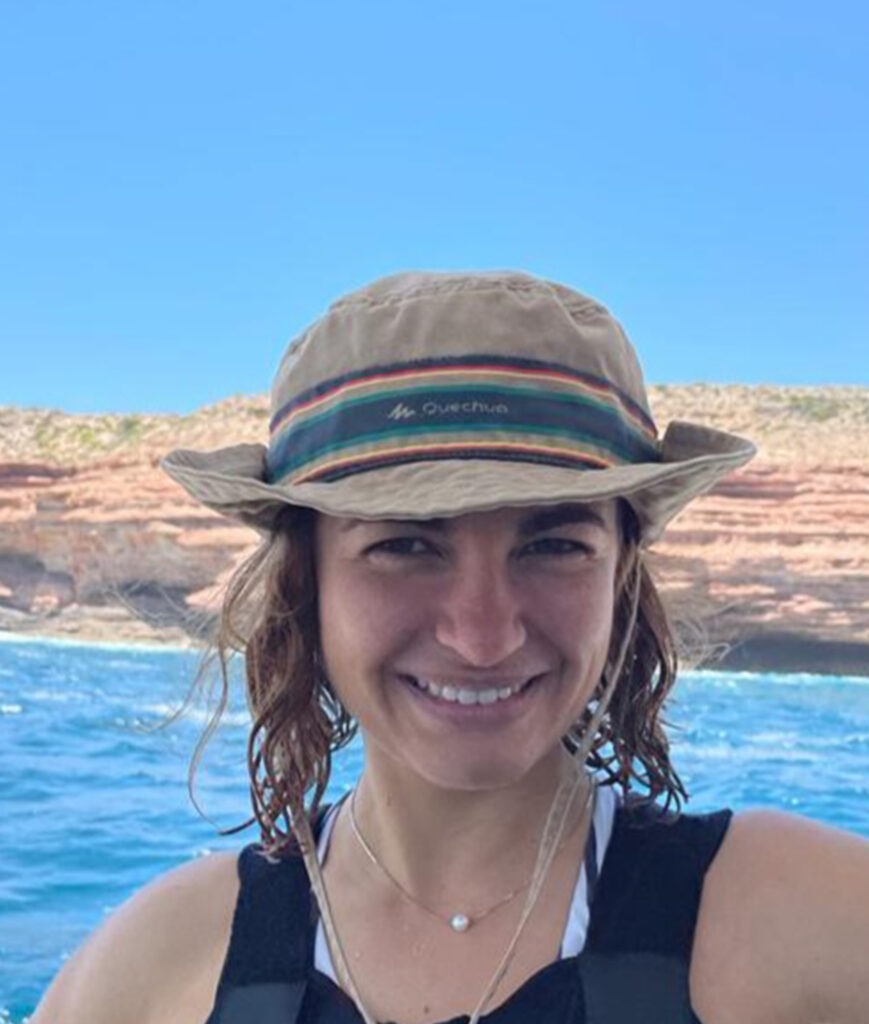
Océane Attlan (UWA)
Temperate Marine Ecosystems Under Tropicalisation: An Insight Of Species Redistributions And Ecological Function Changes Along The Western Australia Coastline.
Océane is a dedicated PhD candidate at The University of Western Australia, driven by a passion for unravelling the intricacies of marine ecosystems. She completed a Master of Marine Science in 2020 at the University of Reunion Island, researching the health status of the habitat where tropical fish reside.
Subsequently, she embarked on another exciting research project on seagrass microbiome supervised by scientists from CSIRO in Perth. Océane is currently combining my personal interest in marine ecology, her professional skills in diving and skippering activities and my academic expertise to complete a PhD focused on temporal and spatial changes in community structure in Western Australia’s temperate reefs.
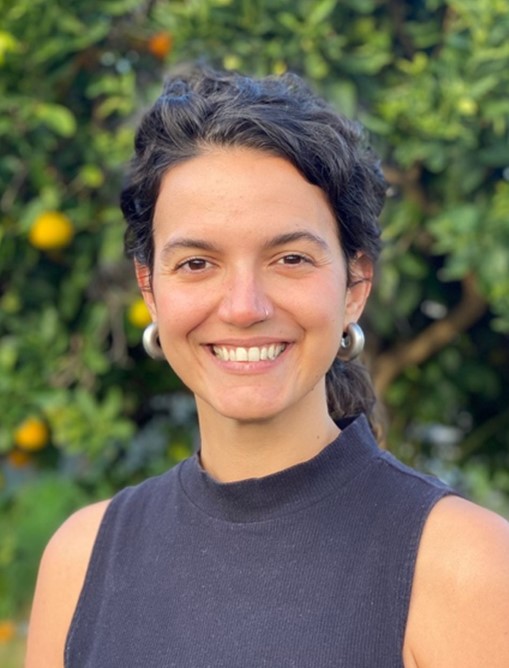
Sara Cavalcanti Marques (Murdoch)
Assessing co-benefits of incorporating bush tucker to land stewardship practices.
Sara holds a Bachelor’s degree with honours in Terrestrial Ecology from the Sao Paulo State University in Brazil, and is currently conducting her PhD research at Murdoch University in affiliation with the ARC Training Centre for Healing Country. In Australia, Sara coordinated Curtin University’s Tourism Research Cluster before commencing her doctorate degree in 2022, having conducted a series of research projects on Indigenous tourism development for peak industry bodies in Western Australia. Sara’s PhD explores the socio-ecological benefits of incorporating native bush tucker to land stewardship practices involving Traditional Owners. Her key research interests centre on ecosystem restoration, biodiversity conservation, food cultivation and sustainable community development. Through her doctorate, Sara assesses the potential of diversifying ecological restoration to include Indigenous engagement and bush produce cultivation to boost social and environmental outcomes in regions. Sara is currently based on Yawuru Country in Broome, where she is evaluating the application of the Savannah Enrichment model in the West Kimberley.
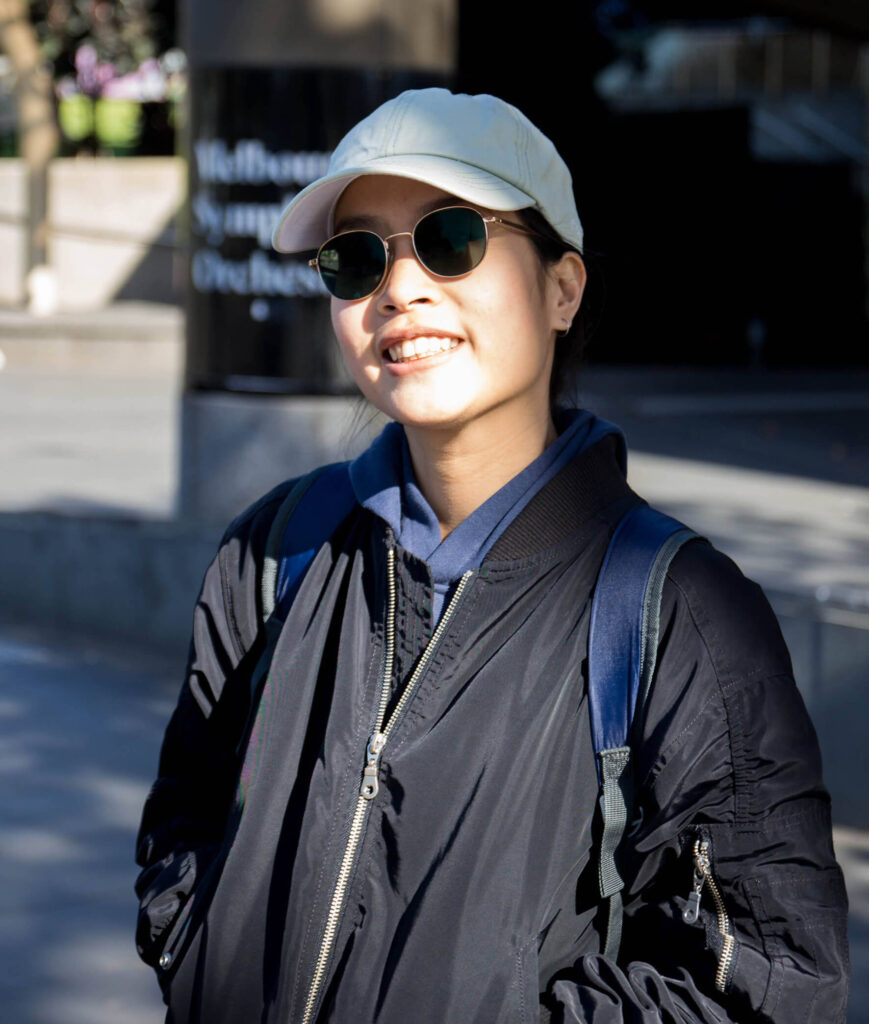
Faith Chen (Murdoch)
Comparing methods for monitoring feral cats.
Faith Chen is currently a PhD student at Murdoch University and her thesis is about the refinement of current methods for feral cat monitoring. She is passionate about the protection of Wildlife. Since moving to Australia for her undergraduate studies, she has learnt about the status of Australia’s biodiversity and the impacts of introduced predators and desires to make meaningful and applicable contributions through her research.
This grant will contribute to her thesis in comparing the use of images and genetic tools (faecal DNA and hair DNA) to individually identify feral cats in a population in the Southern Rangelands.
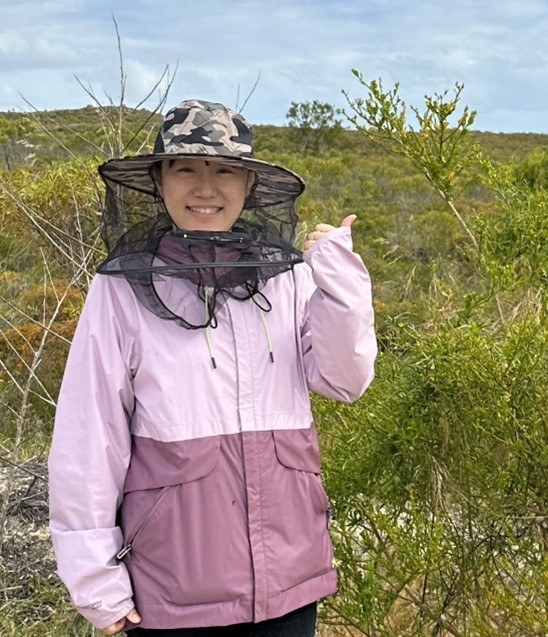
Ling ling Chen (UWA)
Phosphorus-utilisation strategies in Proteaceae, Fabaceae, Myrtaceae and Ericaceae in contrasting habitats.
Ling-Ling Chen is a PhD candidate at the University of Western Australia, passionate about unravelling how south-western Australian native plant species efficiently acquire and utilise phosphorus (P) in P-impoverished habitats. She completed a Master of Environmental Science at Tianjin University, China, focusing on plant nutrient transport.
Supported by the RSWA John Glover Research Grant, her research aims to identify correlations between soil P concentrations and specific P-utilisation strategies and analyse lipid P and metabolite P molecules, contributing valuable insights into effective ecosystem management and nature conservation.
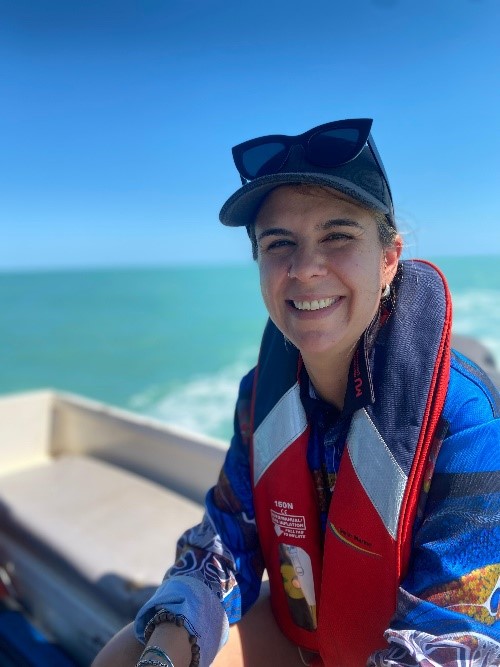
Carmela De Benito Abello (Murdoch)
Foraging ecology of green turtles inhabiting a dynamic environment in the Kimberley region, Western Australia.
Carmela is a marine ecologist specializing in movement and behavioural ecology, with a focus on understanding how environmental conditions influence the behaviour and spatial use of marine species. Currently pursuing her PhD at Murdoch University, her research investigates the foraging ecology and habitat use of green turtles (Chelonia mydas) in Yawuru Nagulagun Roebuck Bay Marine Park (YNRBMP), Western Australia. She employs techniques such as stable isotope analysis and passive acoustic telemetry to explore how dietary preferences and habitat use are shaped by environmental variability.
Carmela’s work is part of “Yagarrajalajalan Nagula Buru: We All Care for Saltwater Country”, a collaborative, multi-disciplinary research initiative that follows principles of two-way knowledge exchange to advance equity in marine park co-management and enhance shared custodianship of Saltwater Country. With plenty of experience doing fieldwork in remote areas and working with indigenous communities, her involvement in this project shows her dedication to inclusive conservation strategies. By combining Yawuru ecological knowledge with scientific research, Carmela’s project focuses on addressing local concerns around protecting green turtles and their habitats. The participatory approach of the project aims to uncover key food resources and habitats to help protect these vulnerable species while strengthening the link between conservation and cultural heritage.
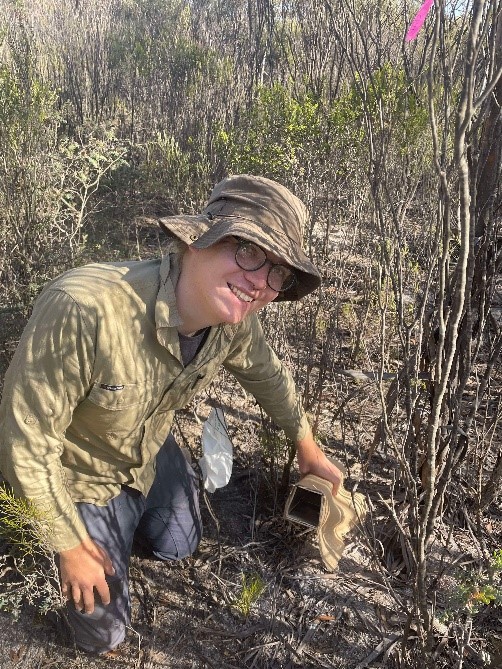
Cameron Dodd (UWA)
Cryptic Kultarr: Evolution and Biogeography of arid-zone dasyurids.
Cameron is a taxonomist and evolutionary biologist who specialises in the marsupial family Dasyuridae, which includes iconic species like quolls and Tasmanian Devils. They use a combination of genetic techniques and skull-shape analysis to identify new species of small mammals which have gone undetected in museum collections and remote areas of arid Australia. Specifically, Cameron works on kultarr (Antechinomys) and dunnarts (Sminthopsis), both of which contain several species yet to be described. In addition to this, Cameron is using micro-CT scanning technology to investigate the evolution of skull and inner ear shape in dasyurids, focussing on how they have adapted to increasing aridity across the continent over the last 15 million years.
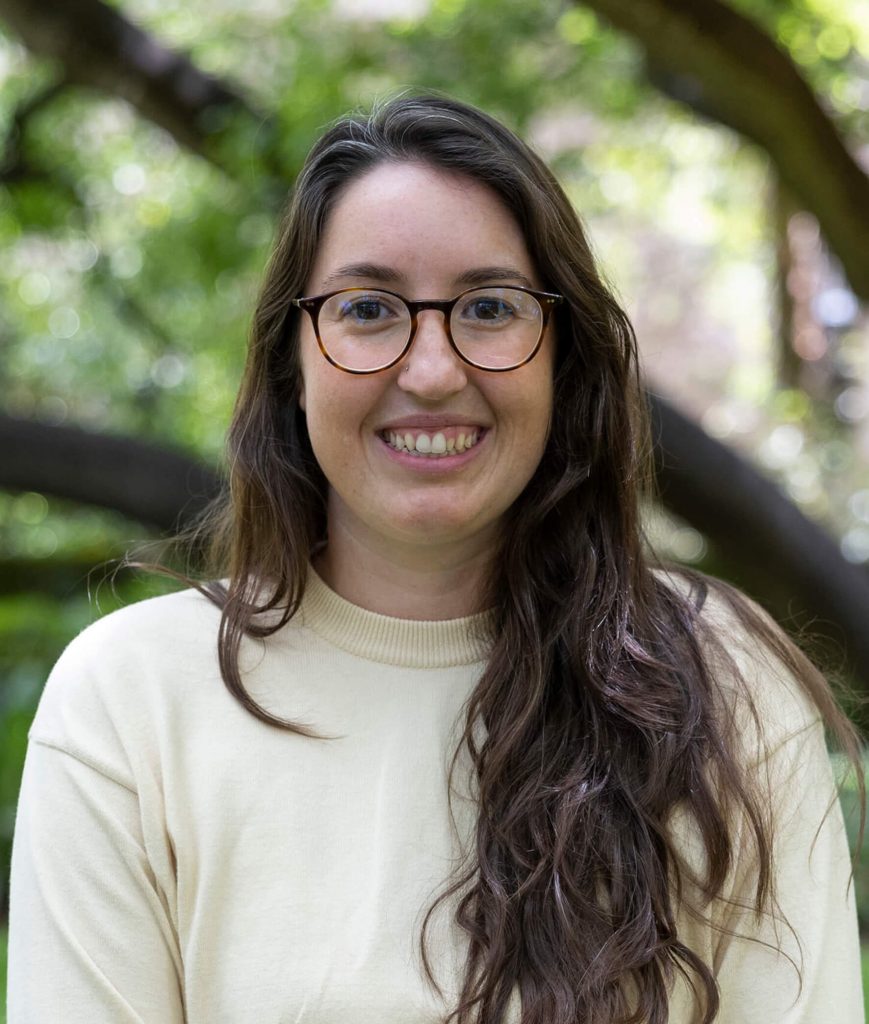
Shannon Duffy (UWA)
Genomic mechanisms of thermal resilience in reef building coral: insights from World Heritage Ningaloo Reef.
Shannon is a PhD candidate at the University of Western Australia and the Australian Institute of Marine Science, focusing on coral adaptation and acclimatization at Ningaloo Reef, a UNESCO World Heritage site. She uses genomics and heat-stress experiments to study coral responses to climate pressures, such as marine heatwaves. Her research explores molecular mechanisms behind Ningaloo’s coral response to heat stress and the genetic basis of spawning traits and population genomics in Western Australia.
Shannon’s previous work studied the symbiotic relationship between algae dinoflagellates and Scleractinian coral in offshore reefs. With a passion for genomics in conservation, she used the John Glover Research Support Grant to investigate genetic components of heat stress resilience at Ningaloo, contributing to global coral protection efforts.
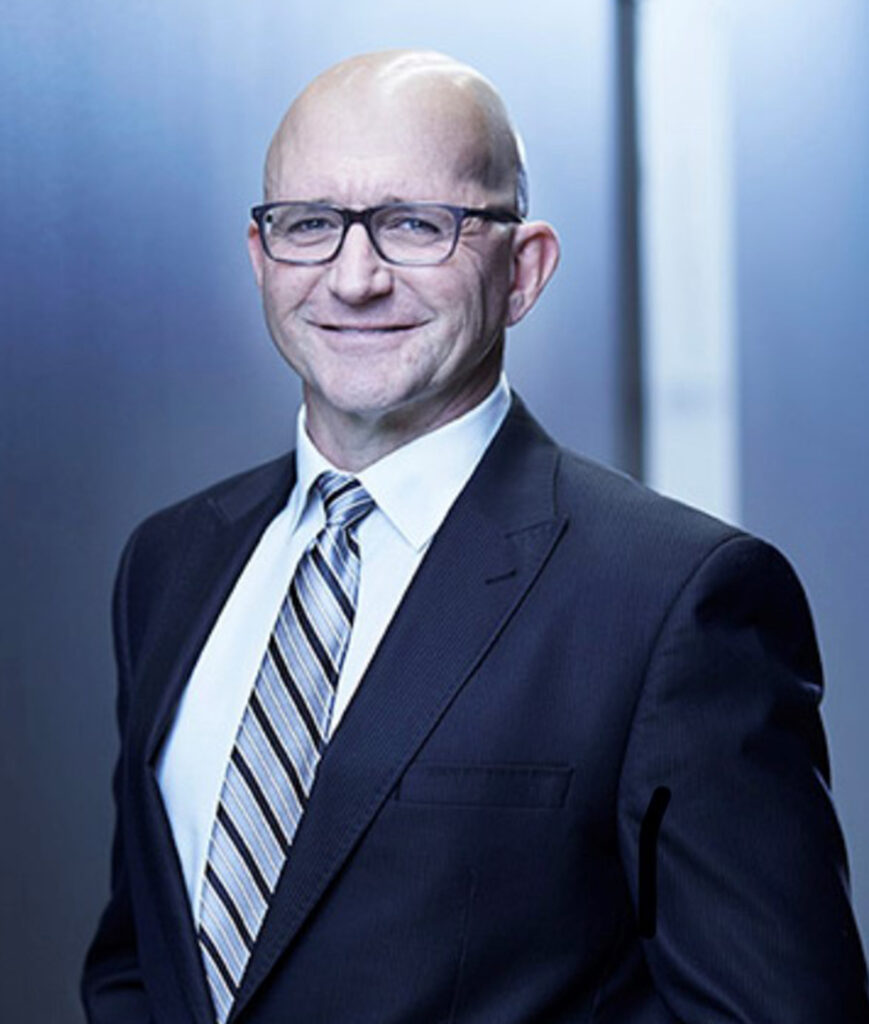
Alexander Eves (UWA)
Petrogenesis and metallogenic significance of the Speewah Deposit – a world-class Ti-V deposit and associated PGE+Au reef hosted within the Hart-Carson Large Igneous Province, North Australian Craton.
Alex is a geologist with 30 years’ experience in the Western Australian resources sector, working in both exploration and production roles across iron ore, gold, base metals, mineral sands, diamonds and some specialty commodities. Alex is currently undertaking a PhD project on the Speewah Ti-V Deposit – a world-class mineral system located in the East Kimberley Region of Western Australia where he was involved in the early development phase of the project.
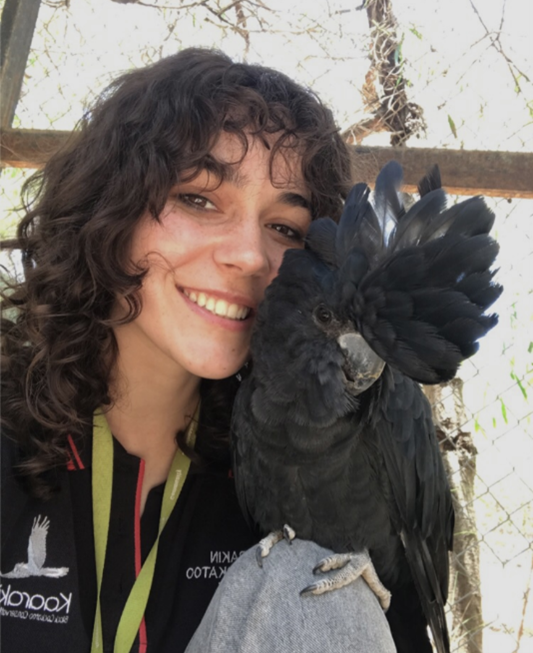
Natalie Grassi (Murdoch)
How do predators prefer to move through the landscape? An analysis of telemetry data.
Natalie Grassi is a PhD candidate at Murdoch University with a passion for predator ecology, ecological restoration, and native wildlife conservation. Her research explores how red foxes and feral cats interact with different habitat types and landscape features within a fragmented landscape, and how this impacts native fauna.
Using methods like GPS tracking, predator diet analysis, camera trapping, and analysis of long-term occupancy data, Natalie’s work aims to better quantify the impacts of introduced predators and inform conservation and management strategies within the Fitz-Stirling landscape.
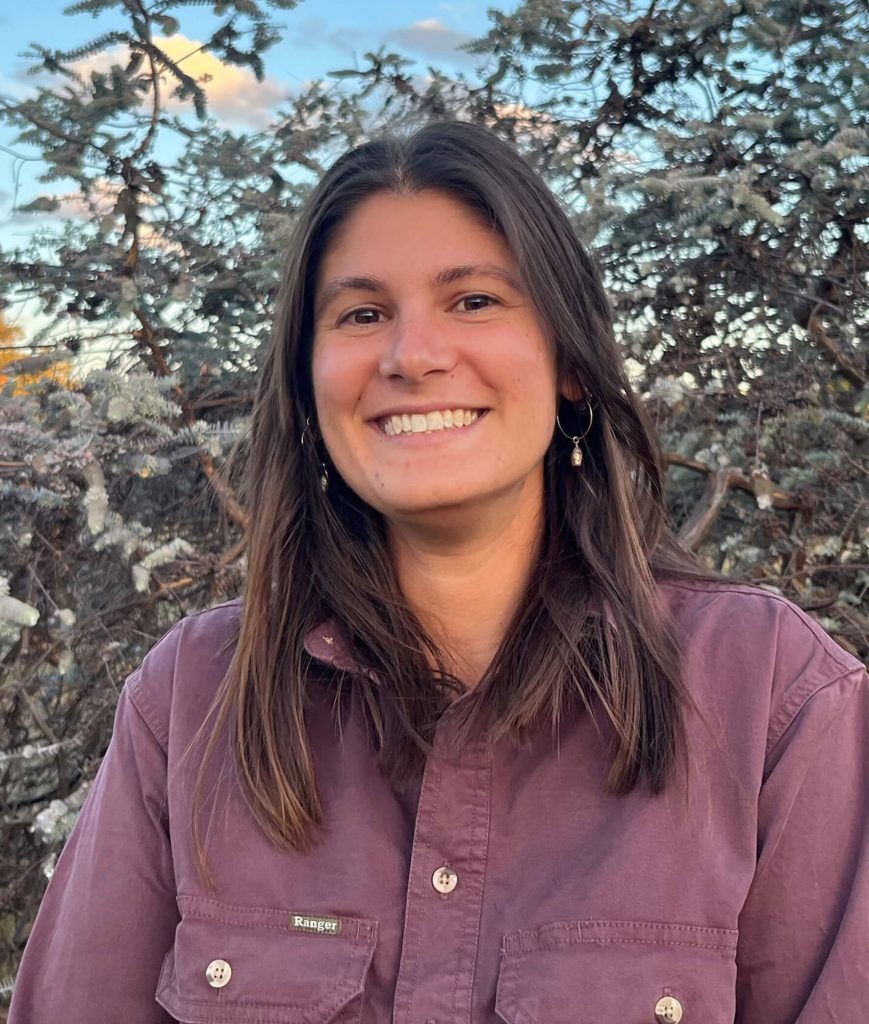
Natasha Harrison (UWA)
Robust measures of anti-predator behaviour in Western Australia’s critical weight range mammals.
Tash Harrison is a conservation biologist, incorporating the fields of behavioural and population ecology into her work. She is currently working to quantify the loss of anti-predator traits from havened populations of mammals, to investigate drivers of such losses, and determine any survival consequences of weakened anti-predator responses. Ultimately, Tash is motivated to provide tangible evidence with which to inform strategic conservation management of Australia’s unique fauna.
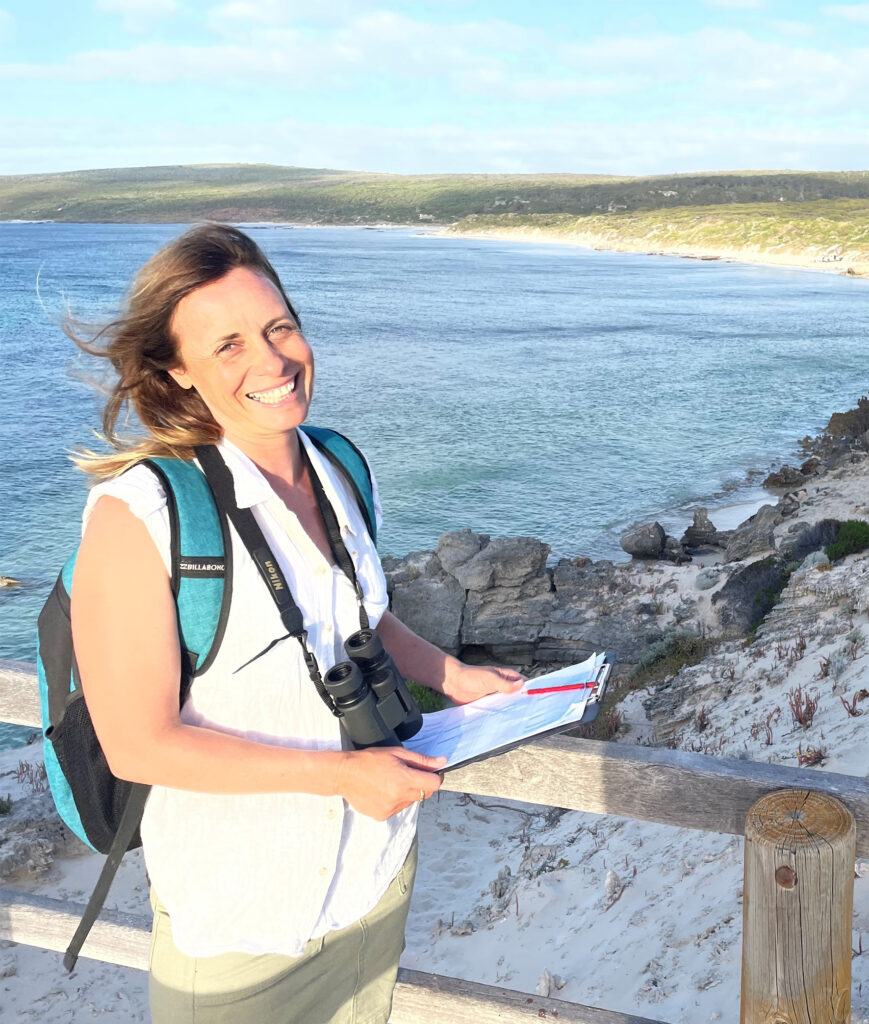
Kirrily Hastings (ECU)
Finding space: Breeding territory abandonment in Western Hooded Plover in association with human use of beaches and altered habitat quality.
Kirrily has worked as an environmental scientist in the southwest of WA for 25 years and is interested in research that supports management-focused conservation. She has worked in a diverse range of government and consulting roles, with a focus on coastal waterways, private land conservation, and management of terrestrial and marine conservation areas.
Kirrily’s research will compare human use, food resources and dune characteristics at occupied and abandoned breeding territories of the Western Hooded Plover in the Cape Naturaliste to Cape Leeuwin coastline, where there is a history of breeding territory abandonment with unknown cause.
Zachary Kayll (Murdoch)
Biodiversity change in wetlands exposed to a rapidly drying climate.
Being intrigued by all things odd and tiny has led Zac into a PhD position in freshwater invertebrate ecology. Located around metropolitan Perth on Whajduk Noongar Boodja, his PhD aims to understand how shifts to shorter hydroperiods effect invertebrate communities in temporary wetlands. Zac’s project will use a comprehensive historical data set from 1989-1990 to compare assemblages across a 35-year time span. He will also try to understand if prolonged dry periods have influenced seasonal wetlands suitability for invertebrate survival. All in the hope to aid in protecting these biodiversity pockets for our little critters, and ultimately, much larger, bipedal critters.
Patrick Morrison (UWA)
Voyaging in Murujuga: A Study of Maritime Culture and Climate.
Patrick Morrison is an archaeologist and PhD student at the University of Western Australia. His research focuses on how people in Northwest Australia adapted to climate shifts and rising sea levels over 10,000 years. In 2022, the John Glover RSWA Grant aided stable isotope analysis of ancient shellfish from Murujuga, offering insights into historic sea temperatures and changing coastal foraging patterns.
Patrick specializes in underwater archaeology, using 3D photogrammetry to document shipwrecks like Trial 1622 and Zeewijk 1727 with the WA Museum. He co-authored the first discovery of submerged Aboriginal artifacts on the Australian continental shelf. He also teaches Maritime and Historical Archaeology at UWA.
Samantha Norman (UWA)
Investigating the Molecular Evolution of C4 Photosynthesis in the Genus Neurachne.
Samantha’s research is centered around exploring the molecular evolution of C4 photosynthesis within the Australian grass genus Neurachne. This genus, unique to Australia, stands out as the sole monocot genus containing closely related species that exhibit C3, C4, and C3-C4 intermediate photosynthetic pathways. This distinctive characteristic of Neurachne provides an exceptional opportunity to delve into the molecular evolution of C4 photosynthesis in monocots.
Her research places a particular emphasis on characterizing phosphoenolpyruvate carboxylase (PEPC), the key carbon-fixing enzyme of the C4 pathway, and its corresponding isoforms in each Neurachne species. To further her investigations, the RSWA John Glover research support grant will enable Samantha to undertake a research trip to Washington State University, where she will have access to the specialized equipment essential for her work.
Rebecca Quah (ECU)
Improving translocation success for Gilbert’s potoroo (Potorous gilbertii): Dietary and habitat complexities impact.
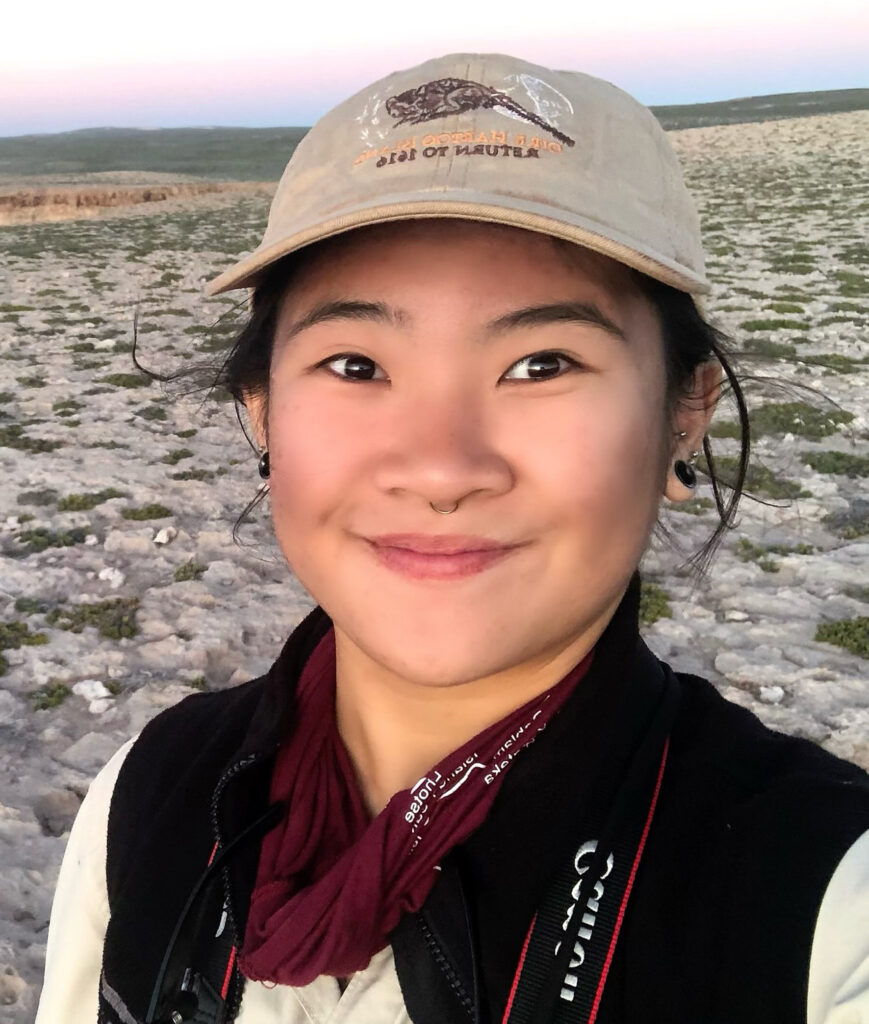
Rebecca is a wildlife ecologist working in the research and consulting industry with a passion for vertebrate fauna, translocations, ecological restoration and molecular biology. She is currently undertaking a PhD at Edith Cowan University looking at the conservation of Gilbert’s potoroo (ngilgyte, Potorous gilbertii).
She also attained a Master of Biological Science at the University of Western Australia where she incorporated genetics into population models to inform translocation decisions for the Shark Bay mouse (djoongari, Pseudomys gouldii) as part of the Dirk Hartog Island Project ‘Return to 1616’. Prior to that, she completed a Bachelor of Science at Murdoch University.
Ursula Rodrigues (UWA)
Caring for Country and people with Noongar fire: A two-way investigation of fire management in southwestern Australia.
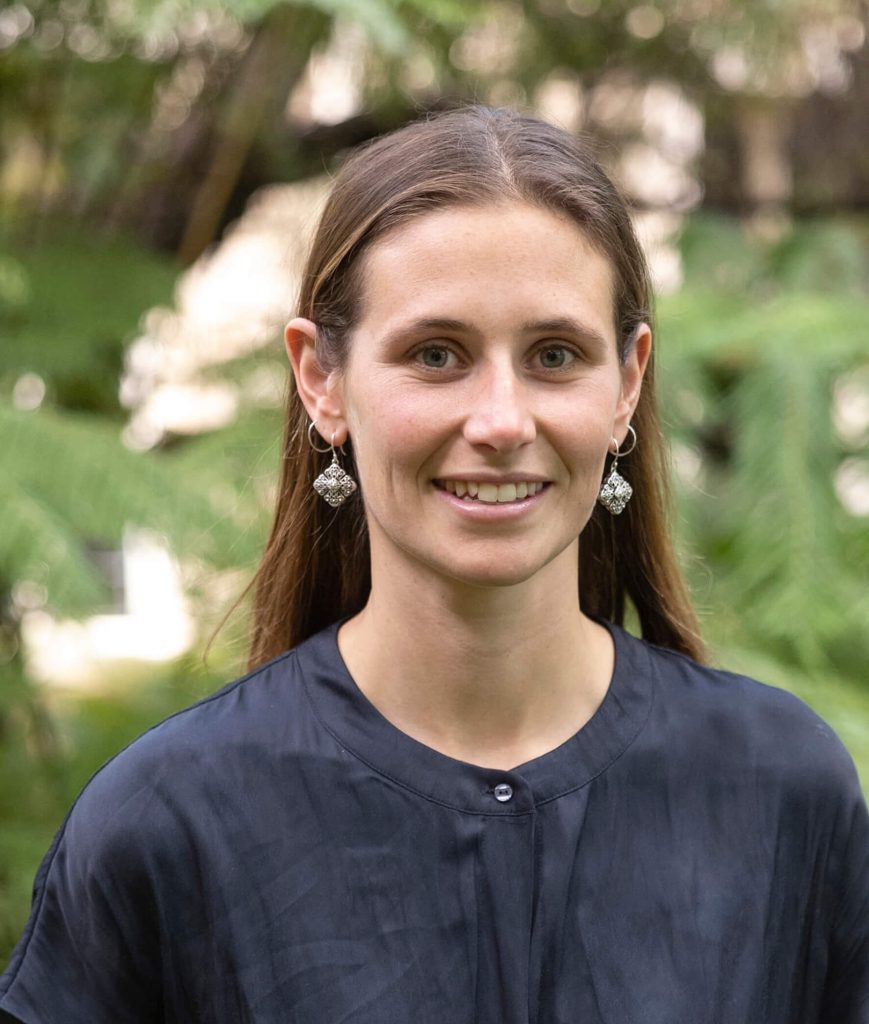
An affinity with southwest Australian landscapes and an interest in how humans interact with them led Ursula to cross-cultural research. Her PhD focusses on the outcomes for people and Country of contemporary Noongar fire stewardship and collaboration between land managers and Noongar peoples in fire management in the Fitz-Stirlings region in southern WA.
Using mixed methods approaches, Ursula and her colleagues at UWA Albany are working alongside Noongar Elders and knowledge holders to investigate shared questions about Elder-led burning practices, including how and when fire is necessary for management according to Noongar bio-cultural knowledge, floristic outcomes of experimental burning, and social and cultural outcomes of the Elder-led burn program she is facilitating.
Hannah Whitaker (UWA)
A Re(ef)-Scaling of Our Tools for Managing Marine Heatwaves and Identifying Climate Refugia in Western Australia’s Marine Parks.
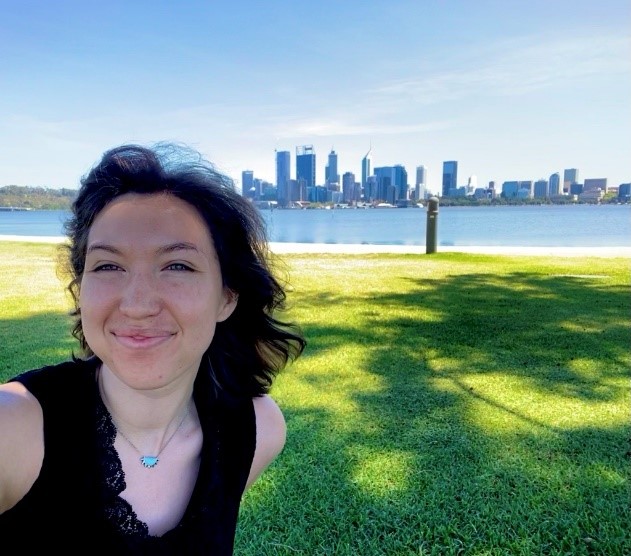
Hannah is a PhD student studying coral reef hydrodynamics and marine heatwaves at The University of Western Australia. Her project focuses on the distribution of stressful temperature anomalies across and between reefs using a combination of temperature monitoring arrays and field-validated numerical modelling. With fieldwork supported by the John Glover Research Grant, Hannah’s research will help identify reef sites and coral assemblages most at risk under climate change, as well as those that will most benefit from conservation intervention.
Madison Williams-Hoffman (ECU)
Radioactive Legacy from Nuclear Weapons Testing at the Montebello Islands, Western Australia.
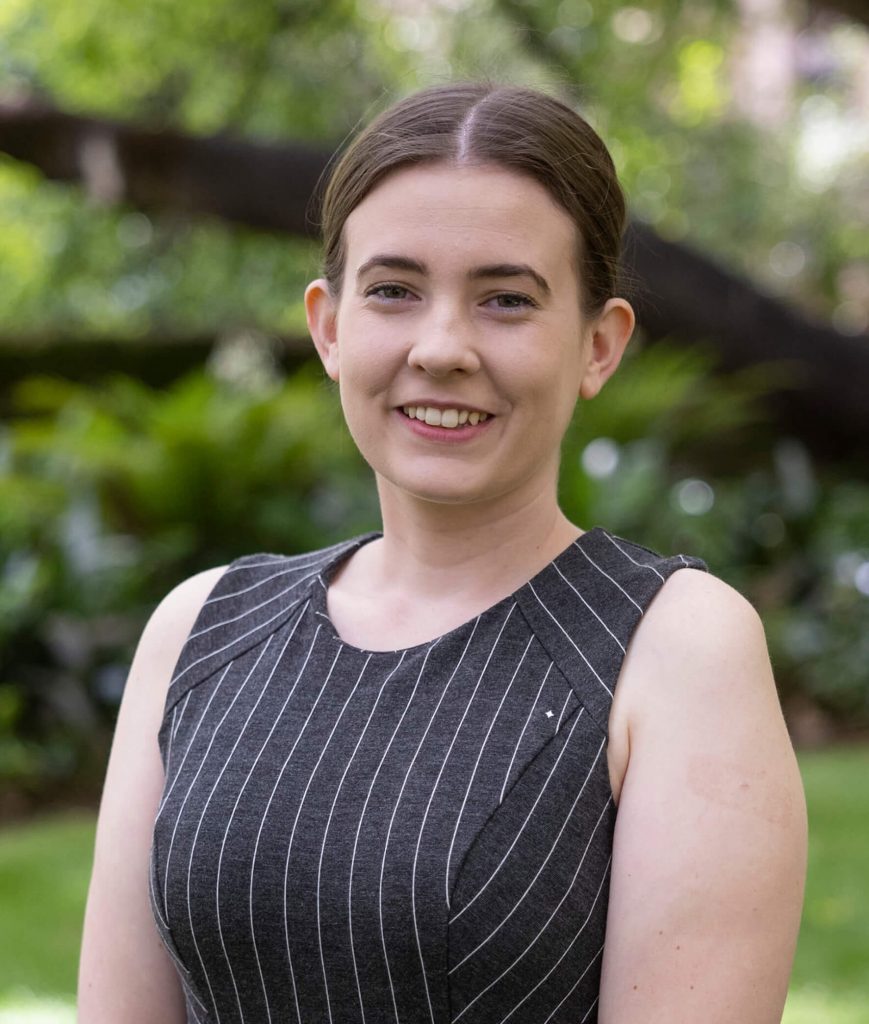
Madison, following her undergraduate and honours studies at the University of Queensland, now investigates the environmental impact of nuclear weapons testing in Australia. Focusing on the Montebello Islands, Western Australia, she assesses the lasting radioactive legacy from detonations seven decades ago, gauging implications for the current and future aquatic ecosystem within the state marine park.
Madison actively promotes effective science communication, gaining recognition in outlets like The Guardian, The Conversation, and ABC. She manages ECU’s Environmental Radiochemistry Laboratory, specializing in biosecurity and hazardous substances. In May, Madison welcomed her first child, dedicating her limited spare time in 2023 to advocating for improved parental leave for research students in Australian universities.
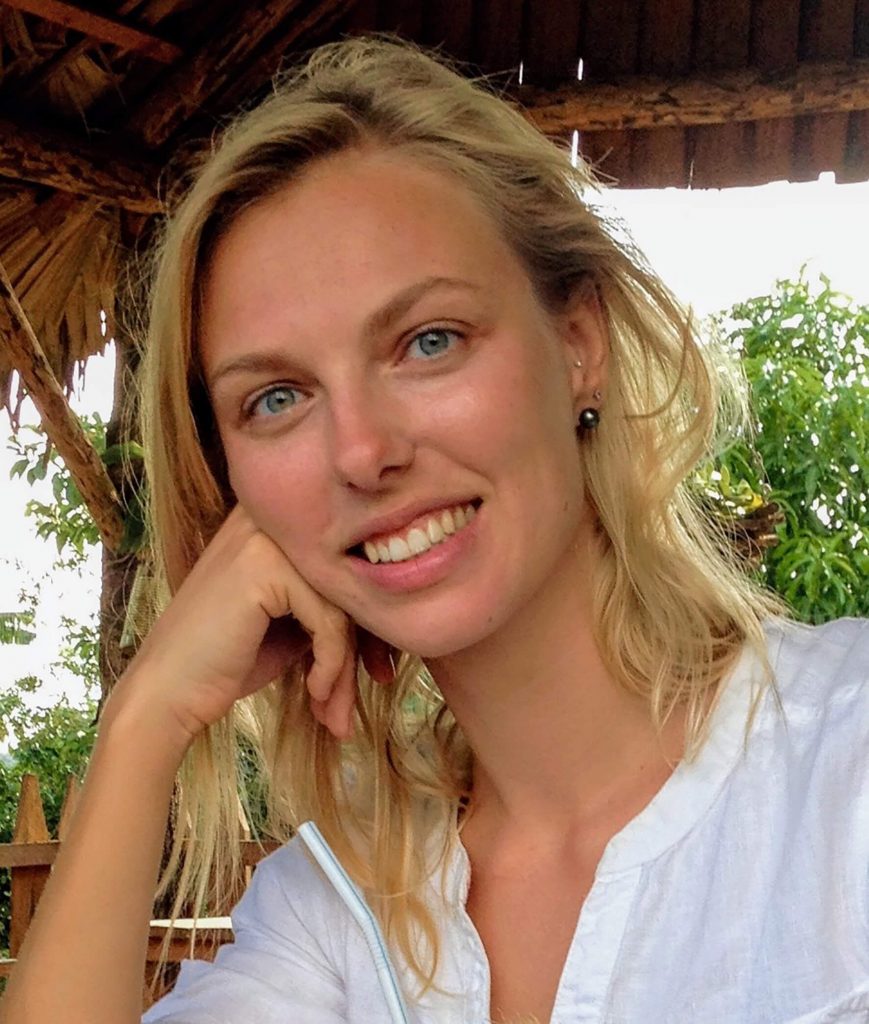
Marie Windstein (Murdoch)
Spatial ecology of sharks and rays in the nearshore environment of a newly created Sea Country Indigenous Protected Area, Kimberley, Western Australia.
Marie’s greatest concern is coastal ecosystem degradation and its impact on marine diversity. Through both academic and professional experiences, I’ve gained an in-depth understanding of the ecological value of our coasts and witnessed the widespread conservation challenges associated with our ever-increasing use of coastal areas.
Rooted in a life-long passion for the ocean, my research interests stand at the intersection of spatial ecology and marine conservation. Designed in collaboration with Karajarri Traditional Owners and the Department of Primary Industries and Regional Development, my research employs acoustic telemetry to study the spatial ecology of sharks and rays in the Karajarri Sea Country Indigenous Protected Area.
We focus on the movements of globally threatened sawfish and culturally significant stingrays in a communal elasmobranch nursery. This data yields quantitative insights into their local movement, ecological connections, and habitat-related behaviors, benefiting the preservation of these endangered species and supporting a tailored management strategy for Karajarri Sea Country managers.

Zhe Zhang (UWA)
Protection of eucalypt species against Phytophthora infection in an extremely phosphorus-impoverished environment: insights into the different roles of mycorrhizal fungi.
Zhe Zhang is a PhD candidate at the School of Biological Sciences, The University of Western Australia (UWA). Her research focuses on understanding how native Western Australian eucalypt species resist Phytophthora infection with the assistance of mycorrhizal fungi. By examining root exudates and fungal secretions, her work aims to develop eco-friendly strategies to mitigate root rot caused by Phytophthora, a pressing issue for native species.
Growing up in a province renowned for its forestry industry, Zhe has cultivated a deep passion for forest ecosystems. Her master’s research centered on soil nutrient cycling in forest ecosystems, laying the foundation for her current project. Zhe’s work has the potential to contribute to sustainable forest management and the conservation of native Australian species.
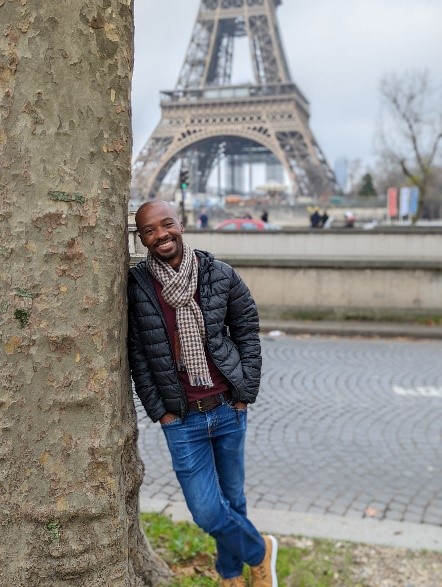
Mnqobi Zuma (Murdoch)
The implications of multiple disturbances on plant-soil interactions.
Mnqobi is a forest ecologist with over five years of experience as a research forester in a pine tree breeding program at Mondi in South Africa. He holds a Master of Science in Biocontrol Solutions for Plant Health from Université Côte d’Azur in France and is pursuing a PhD at Murdoch University.
His research investigates the effects of fire, drought, and Phytophthora cinnamomi interactions on plant-soil feedback—how plants interact with their soil environment—in the Northern Jarrah Forest. Mnqobi addresses the critical question of how an already stressed forest responds to additional disturbances and explores the role of fungal associations in supporting ecosystem resilience.